Nassal Surian, AB. Sailors’ Union of the Pacific (SUP)
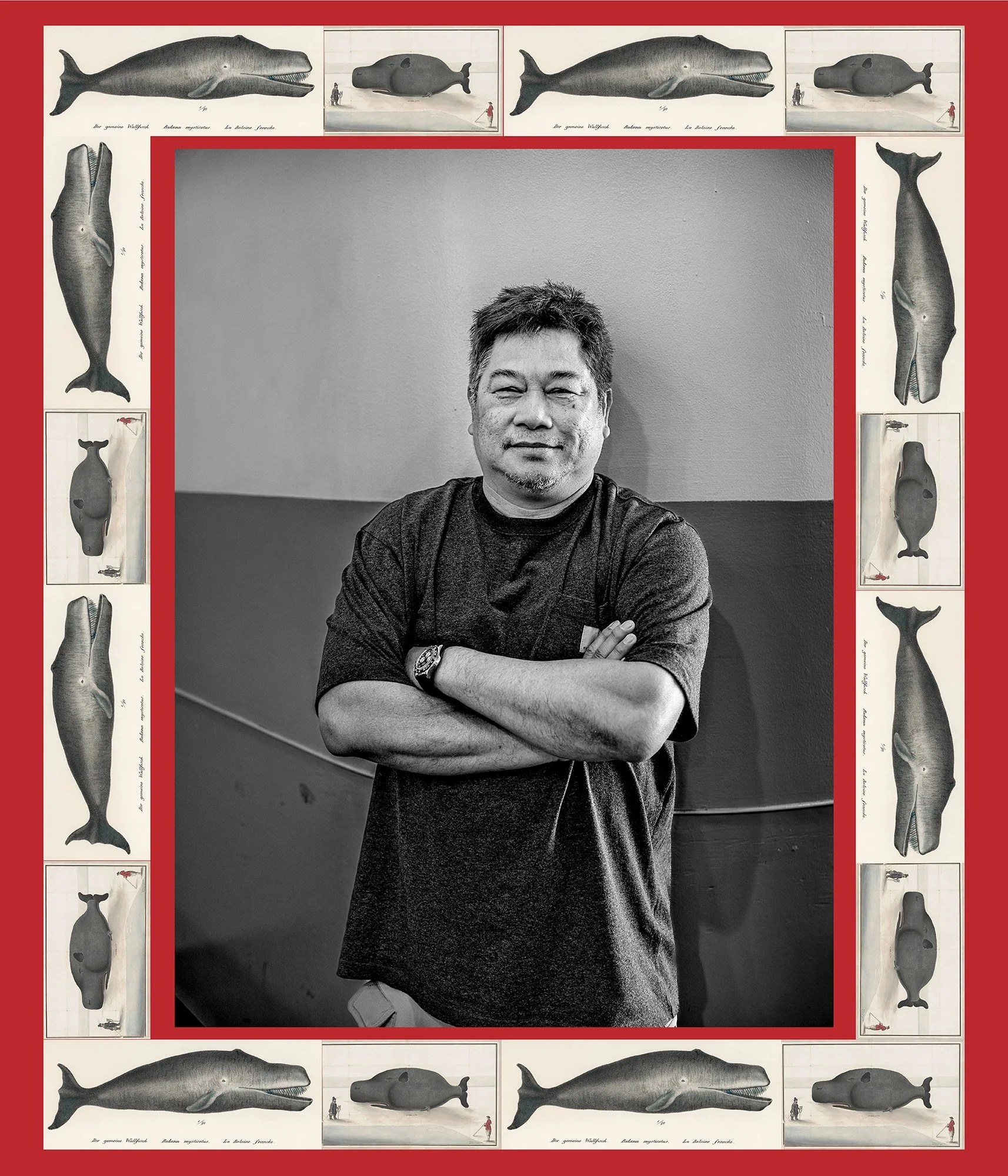
Nassal Surian, AB. Sailors’ Union of the Pacific. SUP hiring hall, San Francisco, California 09 June, 2026
“The last vessel I have I am working as a day man. We wakeup at 5 and start at 5:30 in the morning, until 7:30 at night. Sometimes it's 8, depending on the job.
Then around 7am we get 30 minutes break, and then we're gonna have some breakfast. We start again at 8, until noon. Then around 1 o'clock to 5 in the afternoon, [when] we have some dinner, and then go back again until 7:30 at night, sometimes it’s eight at night.”
I've been sailing here in SUP for more than three years. Before I was working on the foreign flag Norwegian company, almost more than 30 years.
My last vessel is the APL, the deck department. We are doing some kinds of maintenance job.
Sometimes we do some watch - bridge watch. I have this 4 to 8 watch, a very nice watch.
Working on the sea for me it's very good for financial first of all. Then adventure, (and) I like to travel a lot.
I love the ocean, especially when I see some kind of dolphins, and whales.
..
I saw lots of people, lots of my friends, is working onboard and they’re telling me stories - we are sailing in different countries, and you can learn what they are doing there. What are their language, what are nature, what are the kind of foods they have.
So I feel that's a very good idea to work onboard. Especially the financial because in PI, I was from Philippines, the life there is - if you work there - it's very hard working.
I can have lots of money onboard rather than working on the land.
My very first ship - everybody don't like to go to wars. It was Iran and Iraq war, and that's my first vessel. I take the job immediately because that's my first job and I want to go onboard. I didn't know that the vessel would go to the war zone area - Strait of Hormuz.
On the bridge we have lots of sandbags, (we’re) wearing bulletproof gear, and that's a scary moment.
Sometimes you cannot sleep because there's lots of alarm. There's alarm from missiles, alarm that incoming close to our vessel. That's the worst part. And very exciting part.
The one thing there is LPG [Liquefied Petroleum Gas], very explosive vessel. That's the worst part also.
..
Mostly we have a contract here for only three months. Then standby for one month. More or less (I’m) around eight months at sea, then four months at home. Sometimes I get two months only.
I have family. All my family is here already, in Antioch. It's very tough because mostly you're very far away. Then sometimes if you are onboard, you're thinking a lot to the family - What they are doing there? Are they okay?
..
There's a very big difference with the foreign flag, especially the contract that we have. We have contract in the foreign flag, but it's very big difference because mostly the US flag is more on the safety of the crew. (And) what they call this the privilege, like medical insurance, and the the salary is a very big difference also. I prefer U.S.
..
One of my favorite ports is Brazil, Japan also. Most people there are very friendly, and the food is good.
Sometimes you get four hours to go ashore, depending. Sometimes the vessel stays for only 10 hours so we can go out four hours, three hours only. Then we have to go back immediately.
..
Now I sail APL, a container ship. For the foreign flag I was working on the gas tankers. We were loading propane and butane. We have the cargo from Houston, and then we delivered the cargo going to Brazil.
In the union we don't have the LPG. I haven't been working in oil.
We cannot go ashore in particular ports, same like in China. There's some restrictions. Very hard to go out to the port because there are three gates before you can go out, and you need some visa also.
..
I've been sailing before covid and during covid. That was very stressful because everybody cannot go a shore. We stayed only on board. And then there's a restriction also that you cannot walk around the vessel. You can stay only at home in your cabin. So after you work, you go back immediately to your cabin.
And thensome people have some kind of coughing, and everybody's, “oh are you sick, are you sick?”. So they are very aggressive with regards to somebody's coughing, especially if you're not feeling well, everybody's very concerned.
..
The last vessel I have I am working as a day man. We wakeup at 5 and start at 5:30 in the morning, until 7:30 at night. Sometimes it's 8, depending on the job.
Then around 7am we get 30 minutes break, and then we're gonna have some breakfast. We start again at 8, until noon. Then around 1 o'clock to 5 in the afternoon, [when] we have some dinner, and then go back again until 7:30 at night, sometimes it’s eight at night.
Depending on job orders, we do painting, chipping, cleaning on the vessel - we call it wash down - so we make the ship,
most of the time, as clean as possible.
Maintenance, for us, maintenance (is the most important job). There's a lot of works to be done, something to repair, something need to paint. Rusting is also one of important things in the vessel because if you keep it rusty, it become worse and worse. So the small rust better to clean it immediately so it will not spread, and the vessel becomes ugly.
..
My knee is still working, but I’m planning to stop. My kids are already done. I already finished them to go to school. They are working, so I spend only for my wife and me.
My body works most of the time and at home there's nothing to do - maybe only sunrise and sunset. That's why I try to work as much as possible until my knee isn’t working.
Before the pandemic I stopped working on the foreign flag and 2020, after the pandemic for the three years gap, I miss a lot
the sea.
You miss a lot your friends, and especially the sound of the vibration of the engine of the vessel.
..
On board now we have lots of advanced technology - when we saw there's some kind of bad weather coming we tried to divert to minimize the swell.
Sometimes you cannot sleep because they're rolling a lot, sometimes lots of things that rolling on your floor.
And then sometimes when you start eating, everything is moving, so you have to raise your plate because if you put only on the table, it's messing around, running around.
We have also some kind of warning that you don't go outside on the port side. Or you don't go the starboard side because they are very dangerous. The water coming on board, and sometimes very risky. But we have some notice that you have to secure your things because there's a bad weather coming.
We try to minimize the rolling of the vessel - just turn around or sometimes we make more speed so it's the bad weather behind us.
That's the life onboard.
..
Nassal Surian, AB. Sailors’ Union of the Pacific (SUP)
…
Photo: Robert Gumpert